
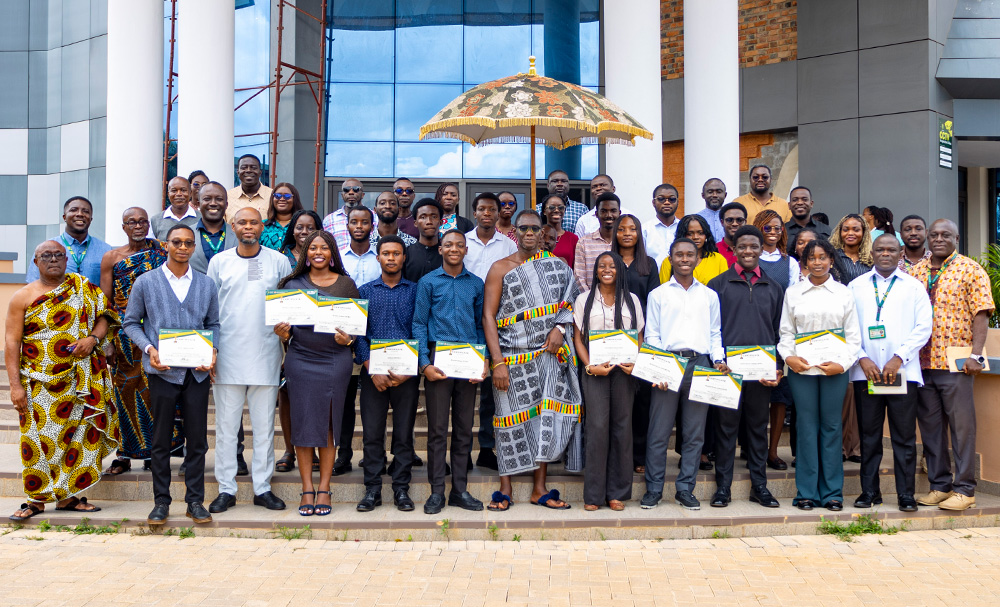
The Department of Architecture at the Kwame Nkrumah University of Science and Technology, Kumasi (KNUST) has hosted the ARCH-NEXUS 2026 Studio Handbook Launch and Design Awards to promote academic excellence, collaboration and professional development among students.
The event brought together faculty members, staff, industry professionals, students and traditional leaders to officially launch the Department's Studio Handbook and celebrate outstanding student design projects.
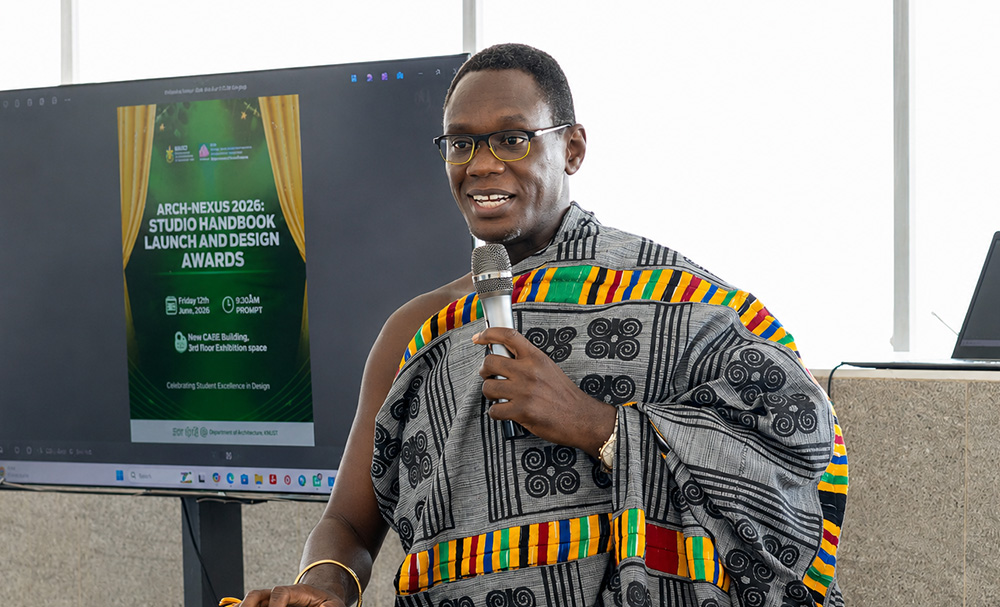
Chairing the ceremony, Nana Owusu Afriyie IV, Otumfuo's Apagyahene, commended the Department of Architecture for fostering excellence and professionalism among students. He noted that initiatives such as the Studio Handbook and Design Awards are vital in preparing future architects for the demands of professional practice.
"Architecture is not only about designing buildings; it is about shaping communities and creating sustainable futures," he stated.
He said the handbook would provide clarity and guidance for both students and staff, helping to streamline studio activities and create a more conducive learning environment.
"The handbook is supposed to make things easy for all of us. Once there is clarity and everybody knows the dos and don'ts, it makes the work easier for everybody," he said.
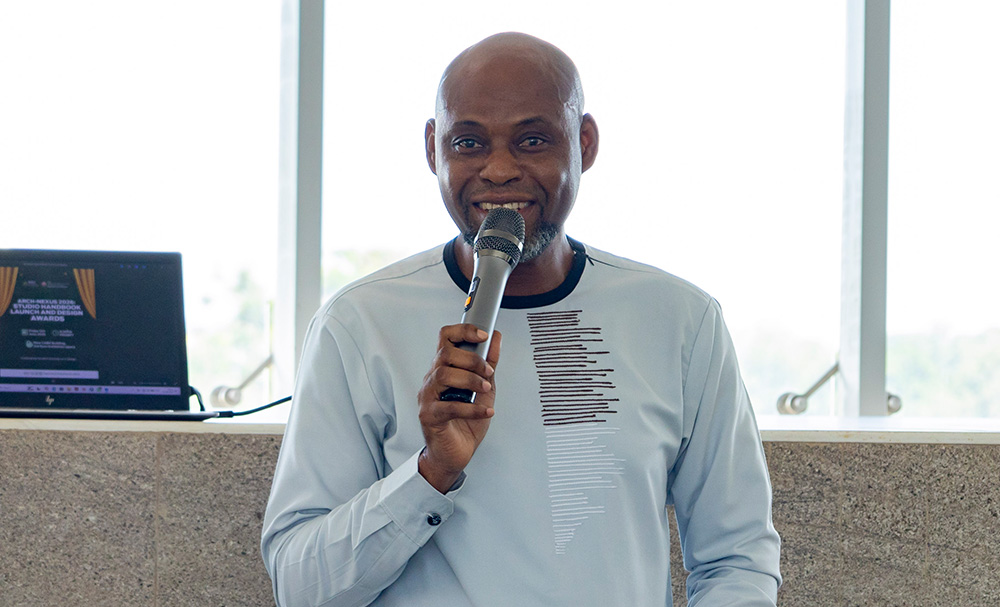
The Dean of the Faculty of Art and Built Environment, Professor Emmanuel Adinyira, highlighted the importance of the Studio Handbook in strengthening the training of future architects and providing a framework to support students in achieving higher standards in design and professional practice.
He encouraged students to view themselves as winners regardless of whether they received an award.
"You are all winners. Without you and without what you do, we cannot say we have a Department of Architecture. Your work and dedication continue to contribute to the growth and reputation of the department," he stated.
Professor Adinyira noted that academic awards have become increasingly important in building students' professional profiles and enhancing their prospects for scholarships, postgraduate studies and employment opportunities.
"Student awards are a big thing because they add value to your profile. They create opportunities for further studies, scholarships and employment," he said.
He urged award recipients to regard their recognition not only as a reward for individual effort but also as a reflection of the collective contributions of their peers. According to him, their success is closely linked to the support, discussions and collaborations shared within the academic community.
The Provost of the College of Art and Built Environment, Professor Christian Koranteng, emphasised that architecture requires an interdisciplinary approach that combines culture, environment, technology and the sciences to produce well-rounded professionals.
"Those of you who thought architecture was only about art, and you didn't know about the science part of it, and you were running away from the math, and then you come and you have to study math and structures, you are fortunate to have this professional community and environment to study hard science and technology," he said.
Professor Koranteng encouraged students to appreciate the role of lecturers and the academic environment in shaping their development while remaining disciplined and focused on their studies.
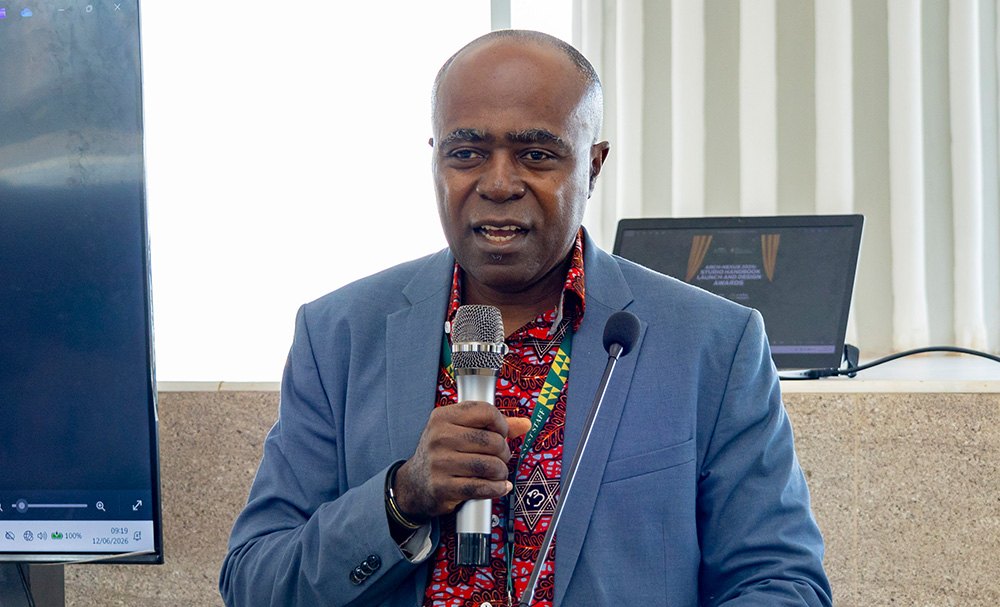
The Head of the Department of Architecture, Professor Daniel Yaw Addai Duah, underscored the importance of continuous improvement in teaching and learning within the discipline.
"As we celebrate our rich heritage, we must continuously ask ourselves a critical question: how do we improve the learning experience of our students while ensuring that our programme remains globally relevant and nationally competitive?" he asked.
According to him, the newly launched Architecture Studio Handbook is a key response to that question. He described the design studio as the heart of architectural education, where students develop not only technical design skills but also critical thinking, collaboration and professional communication.
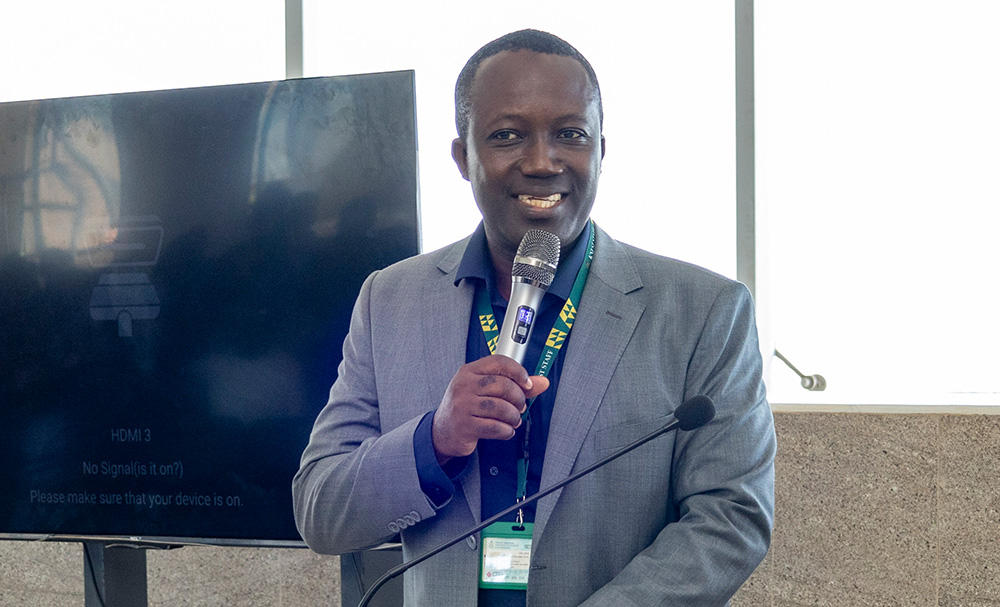
Professor Duah explained that the handbook formalises practices that have traditionally been passed down informally through experience, providing a structured guide for both students and faculty.
"Today, we take an important step toward documenting and strengthening that culture through the official launch of the Architecture Studio Handbook," he stated.
He added that the handbook is more than a set of regulations, describing it as a document that captures the values, expectations and culture of the Department.
According to him, it was developed through extensive consultations, including academic retreats, departmental board meetings and faculty engagements, and is intended to clarify expectations, support teaching consistency and enhance the overall studio experience.


